CER warns: Knowledge, trust and a timely response protect children from online grooming
Centar za edukaciju i istraživanje CER Bijeljina draws the attention of parents, educators and the wider public to the risk of children being groomed through social media, messaging apps and online games. Protection begins with a conversation in which children know they can ask for help without fear of judgment or punishment.
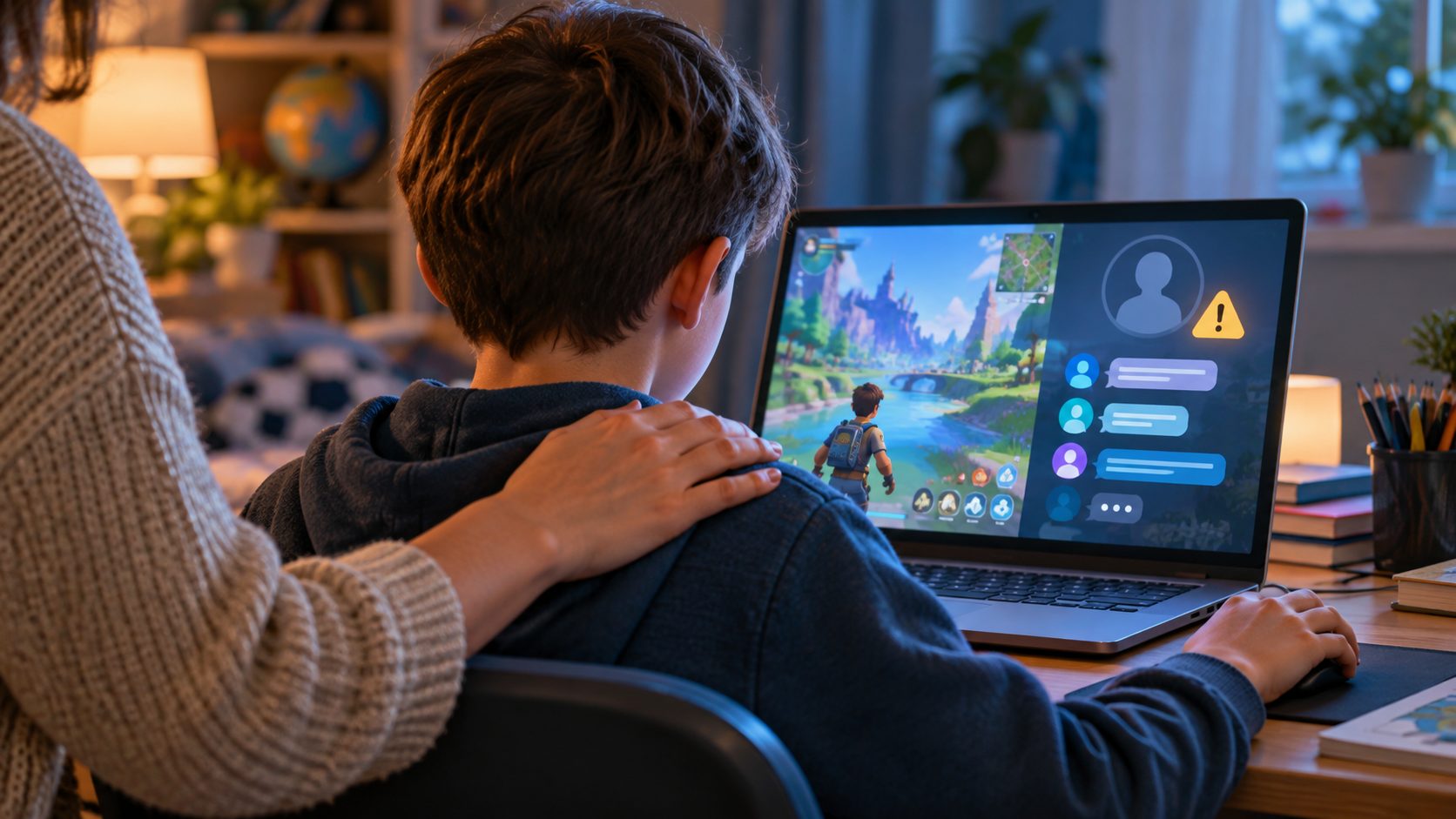
The internet gives children space to learn, be creative and socialise. However, the opportunity for direct contact can be misused by people seeking to gain a child’s trust in order to abuse or exploit them. UNICEF warns that the perpetrator may be a stranger, but could also be someone the child already knows.
Online grooming involves building a relationship with a child in order to manipulate and abuse them. The person may present themselves as a peer, a friend or someone who understands the child’s problems. Contact may begin through playing games together, comments or messages, and then move to private communication. Attention, compliments and gifts may be part of the process of gaining the child’s trust.
A request to keep the conversation secret is a reason for particular caution. Insisting that communication be hidden from parents, pressuring a child to send intimate photos or threatening to publish them are clear signs that the child needs support and protection. Abuse can happen entirely online, without an in-person meeting.
CER urges parents to take an interest in their children’s digital lives: which games they enjoy, whom they talk to and whom they would turn to if a message upset them. This conversation should be a regular part of growing up, alongside setting privacy controls together and learning how to report and block accounts.
Children should be clearly told that they have the right to end communication that makes them uncomfortable. They are not obliged to send photos, reveal their address, school or location, or agree to meet because someone is pressuring them. If they have already shared something, they still have the right to help and protection. CEOP, the UK police service that protects children from online sexual abuse, specifically recommends talking to a trusted adult and using the options to report and block.
Parents should look out for unexplained gifts, extreme secrecy about contacts, distress after using a phone, or withdrawal from usual activities. These changes are not in themselves proof of abuse, but they may be a reason to have a careful conversation and, if necessary, seek professional help.
When a child reports an upsetting experience, adults’ first response should be calm and supportive. It is important to listen, thank the child for speaking up and clearly say that they are not to blame for someone else’s manipulation. Fear, shame and guilt can prevent a child from asking for help.
If grooming, threats or sexual exploitation are suspected, the police should be contacted and appropriate support services involved. Intimate photos and videos of a child should not be forwarded or published publicly. Protecting the child’s privacy must remain a priority throughout the reporting process.
CER advocates making digital safety a regular topic in families, schools and local communities. Children need clear explanations, and parents and teachers need the knowledge to recognise a problem and offer support.
Children should know they can ask for help at any time—even if they trusted a stranger, kept a conversation secret or sent something they are now afraid about. Responsibility for abuse always lies with the perpetrator.